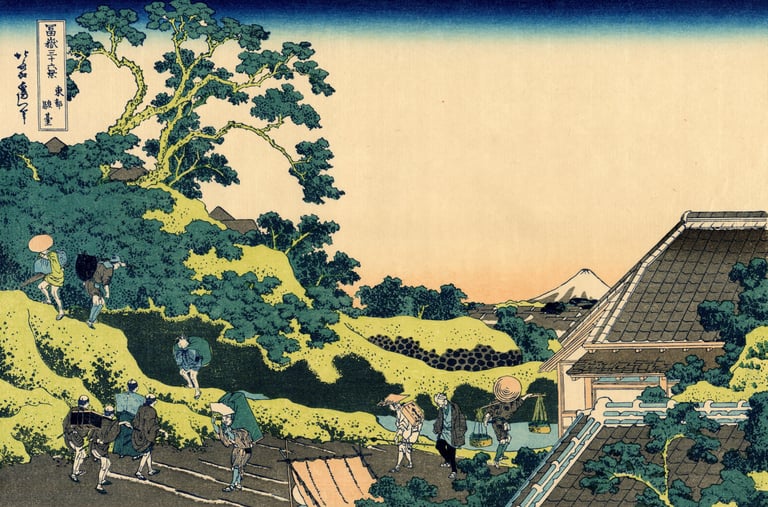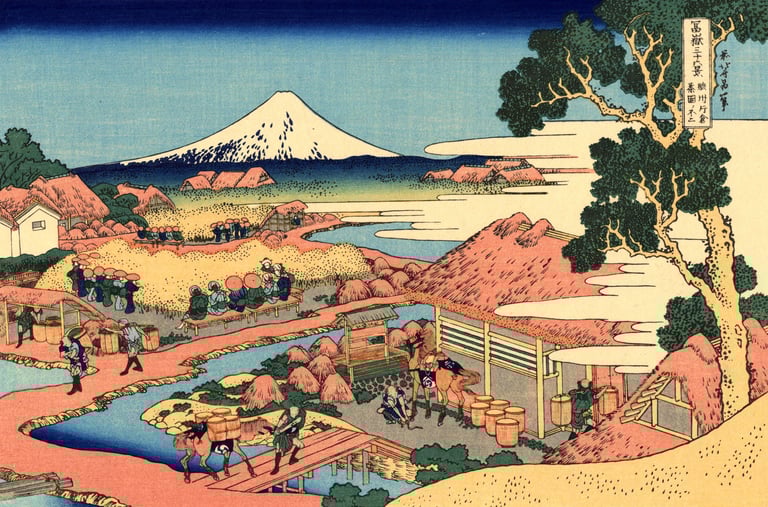
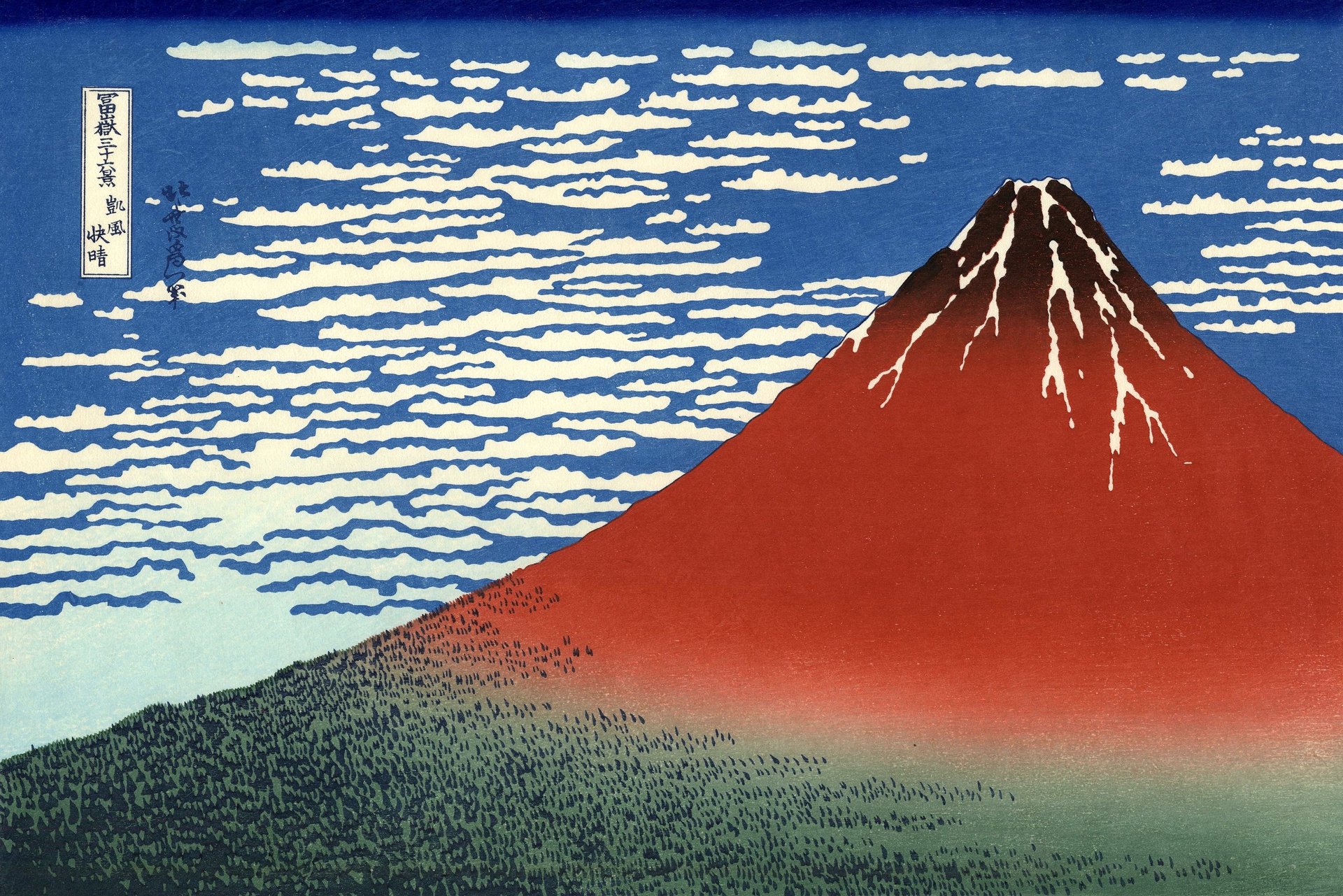
"Red Fuji, Fine Wind, Clear Morning", Katsushika Hokusai (1830s) (Public Domain)

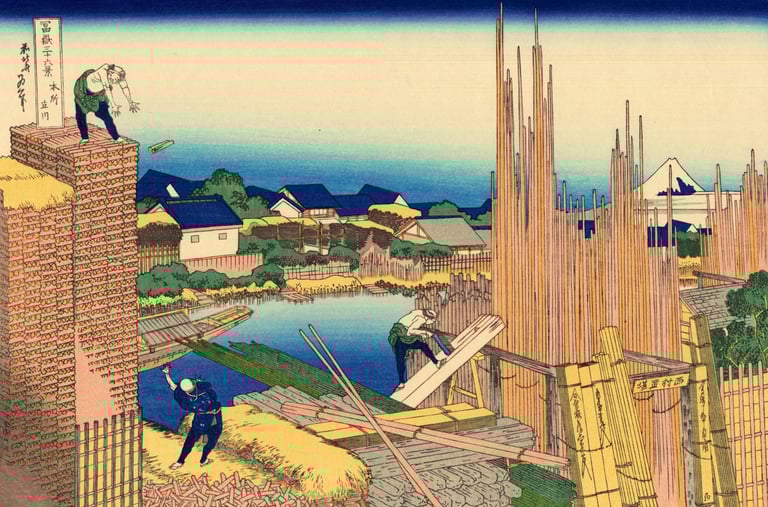
江都駿河町三井見世略圖 A sketch of the Mitsui shop in Suruga street in Edo
江戶日本橋 Nihonbashi bridge in Edo

ABOUT US

Vision International Film Festival (VIIF) showcases short and feature films that include both narratives and documentaries, focusing on topics of spirituality, humanity, virtues, moral characters, and universal values. This is a platform for films that are uplifting for humanity. Our film selection is not limited by country, culture, religious, language, or ethnicity boundaries.

How it started (Our Story)

A couple years ago, I attended a film premiere. It was a well publicised event and lots of people turned up. The film was well received by critics. But as a viewer, I was disturbed. In fact, I had a nightmare that same night. The film depicted a story of human degeneracy, and its gloomy mood and colour tone was depressing.

However, film arts need neither be gloomy nor depressing. In fact, it should be doing the opposite - bringing hope and inspirations to the audience. It should be nourishing to the viewer’s soul. It should bring truth and lay out the reasoning for the audience to ponder over. It should bring light and brightness to the audience’s mind. It should encourage the audience to stand up for what is right. It should also inspire the audience on a path of compassion and empathy.

And therefore we are hosting the inaugural Vision International Film Festival (VIFF) in 2026.

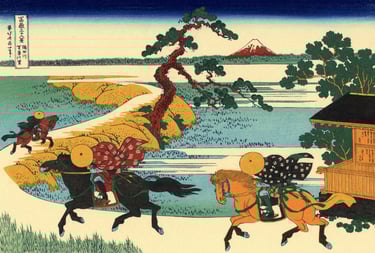
隅田川關屋の里 Village of Sekiya at Sumida river
東都駿臺 The Fuji seen from the Mishima pass

Why use Hokusai's Prints in our website?

Ukiyo-e(浮世繪), meaning "Paintings of a floating world", is a Japanese art form using woodblock prints and paintings to portray this world that we live in. In the 1830s, almost two hundred years ago, Katsushika Hokusai (葛飾北齋)produced the famous work "Thirty Six Views of Mount Fuji" (富嶽三十六景), depicting Mount Fuji from different places and perspectives. Traditionally, Japanese people view Mount Fuji as a holy mountain, and many placed their hope and faith on it. Mount Fuji is more than a mere mountain or view, it is hope and faith in the Divine.

In "The Great Waves of Kanagawa", Mount Fuji was featured in a quiet background while the fishermen fought for their lives against the roaring waves with calm, dignity, and a belief in the Divinity. In "The Eastern Capital Sundai", villagers were featured carrying on with their daily tasks in a peaceful manner with Mount Fuji as a background. Regardless of where one is located, regardless of one's station in life, regardless of whether it is a peaceful or frightful time, Mount Fuji, the manifestation of men's belief in the Divinity, looks over the people. People have hope because they know that Mount Fuji will always be there for them.

The work of Hokusai ties in with our intention. In a sense, Vision International Film Festival is doing similar work to Hokusai's Okiyo-e prints - we present the thirty six views of spirituality, humanity, virtues, moral characters, and universal values to people around the world, using films and movies as the art medium. Depending on where the movie is made, the views could be different, the stories could be different, but the central theme of faith in the divinity is the same. We believe that our work helps make our world a peaceful and better place.

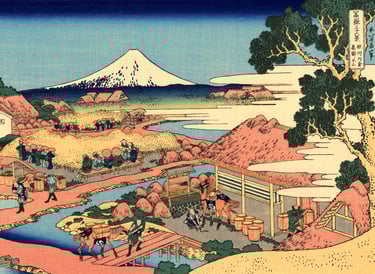
礫川雪ノ旦 Tea house at Koishikawa. The morning after a snowfall
東海道品川御殿山ノ不二 Goten Yama hill, Shinagawa on the Tōkaidō, ca. 1832, Katsushika Hokusai

"Tea house at Koishikawa. The morning after a snowfall.", Katsushika Hokusai (1830s) (Public Domain)

"Goten Yama hill, Shinagawa on the Tōkaidō", Katsushika Hokusai (ca. 1832) (Public Domain)

"Village of Sekiya at Sumida river", Katsushika Hokusai (1830s) (Public Domain)

"The Fuji seen from the Mishima pass", Katsushika Hokusai (1830s) (Public Domain)

"A sketch of the Mitsui shop in Suruga street in Edo", Katsushika Hokusai (1830s) (Public Domain)

"Nihonbashi bridge in Edo", Katsushika Hokusai (1830s) (Public Domain)

International Day Commemorating the Victims of Acts of Violence Based on Religion or Belief

Vision International Film Festival will be held in conjunction with the United Nation's designated day that commemorates victims of religious or belief persecution. This is an important stand for humanity as it signifies our respect to humanity and its faith in the divine. This day falls on the 22 August, 2026.

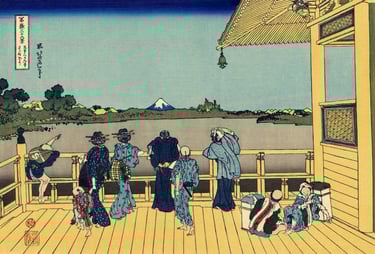
五百罗汉寺荣螺堂 Sazai Hall, Five Hundred Rakan Temple
東都淺艸本願寺 Asakusa Honganji temple in the Eastern Capital

"Sazai Hall, Five Hundred Rakan Temple", Katsushika Hokusai (1830s) (Public Domain)
"Asakusa Honganji temple in the Eastern Capital", Katsushika Hokusai (1830s) (Public Domain)

Awards

There are three awards in Vision International Film Festival, namely Faith (信仰), Peace (平和), and Heritage (承傳).

The Faith Award recognises films that depict the relationship between humanity and the divinity. For example, a man's belief in the Divine carries him through tribulations, and yet his mind remains calm, much like the fishermen in "The Great Waves of Kanagawa". In another example, the yearning for truth propels monks and priests on a route of homelessness, poor in materiality, but rich in spirituality. There are many more examples that occur in different parts of society, in different ages, propelling people to do different things, but the spiritual faith remains true and the same.

The Peace Award recognises films that promote understanding between people of different cultures, countries, or religious groups. These films further promote the ideas of peaceful means of resolving conflicts. In the tumultuous geo-political macro environment we witness today, the Peace Award is especially appropriate.

The Heritage Award is for films that excel in telling stories of cultural heritage and preservation of traditions and values. In the future world of Artificial Intelligence (AI) driven economic system, the truly scarce commodity is humanity and humanistic artefacts, including culture, family, rituals, filial piety, and traditional knowledge and values. We want to celebrate efforts to promote and preserve this important part of humanity.

In almost all the films that we selected, we see all three factors playing its part in forming the storyline. Hence our award simply implies our perception of the over-riding theme for that film, and it is by no means exclusive or all encompassing.

"Tama River in the Musashi province", Katsushika Hokusai (1830s)
The Lake of Hakone in the Segami province, Katsushika Hokusai

"The Lake of Hakone in the Segami province", Katsushika Hokusai (1830s) (Public Domain)

"Tama River in the Musashi province", Katsushika Hokusai (1830s) (Public Domain)